Since our national and regional tv and radio report, which since went global and on many platforms, We are on the road. 21 day vulture research project, we have been busy to say the least .
AVR AFRICELT VULTURE RESEARCH (Falconry Experience Wales) in Partnership with THE GAMBIAN GOVERNMENT and NATIONAL PARKS AND WILDLIFE DEPARTMENT.
We, Falconry experience wales, are conducting a BIG vulture road survey within the length and breadth of the Gambia, including Greater Banjul areas,an initiative aligning with our commitment to environmental awareness and biodiversity conservation, paticularly the protection and monitoring of vulture populations, and sensitization throughout the country. The scope of this assignment includes nature surveys,radio sensitization broadcasts ( at Kerewan and Farafenni, meetings with governors at Governers office,and all relevant stakeholders,working with national parks and wildlife department, army, police, village chiefs(Alkalo and villagers/communities, providing educational and awareness talks on the importance of vultures and how to protect them. Vulture lives matter.
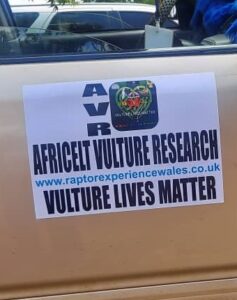
We have designed a large billboard to be erected on Friday at Serrekunda which, nearby is a market where sadly the illegal sale of vulture body parts has been noted.
Our representatives are as follows
1 police security personnel
1 abbatior representative, we will be visiting many abbatoirs over the survey
1 environment officer
1 village head personnel
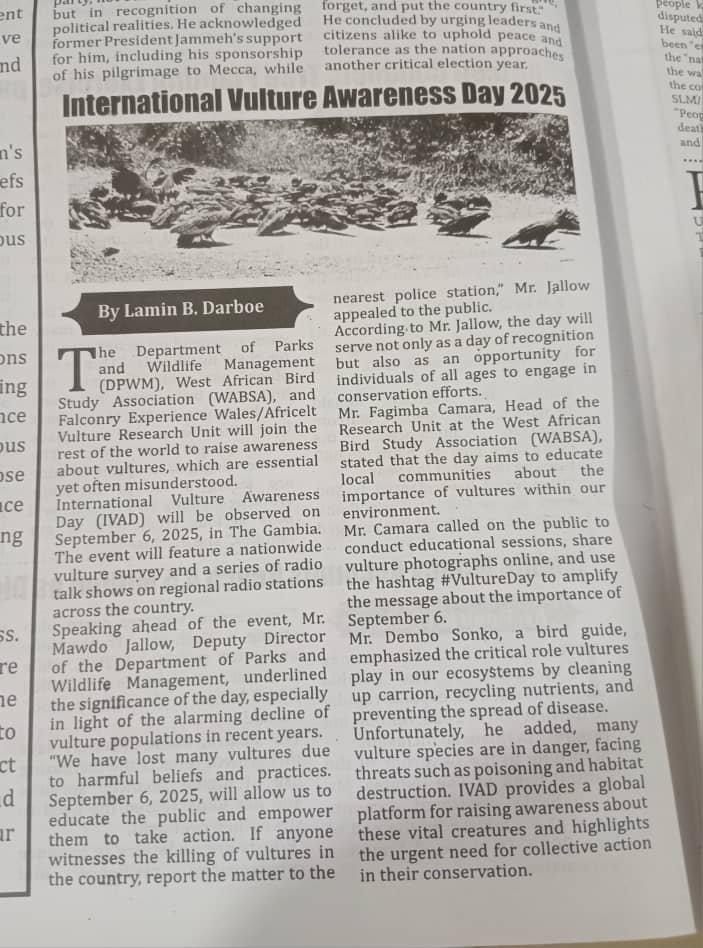
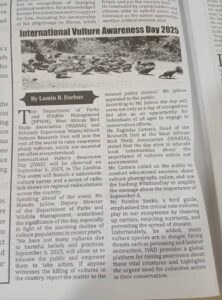
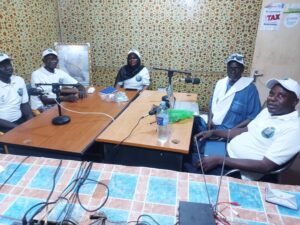
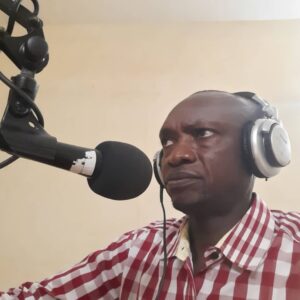
Today 3rd of September is a day for set aside for vultures in the Gambia, and the Head of National Parks and wildlife, is doing a radio broadcast live on YouTube,highlighting the assignment carried out by ourselves and the importance of vultures. This is ahead of international vulture awareness day on Sat. The 6th of September.
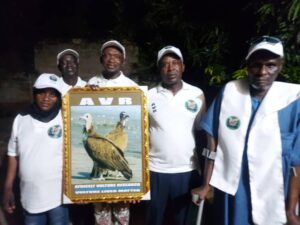
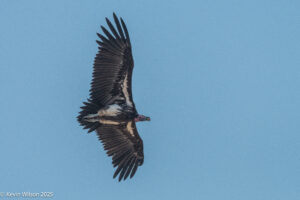
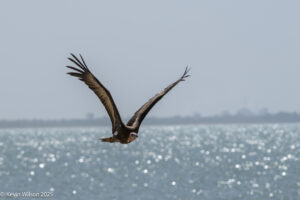
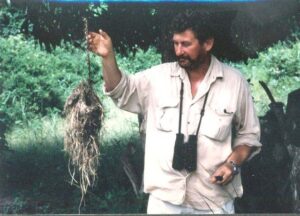
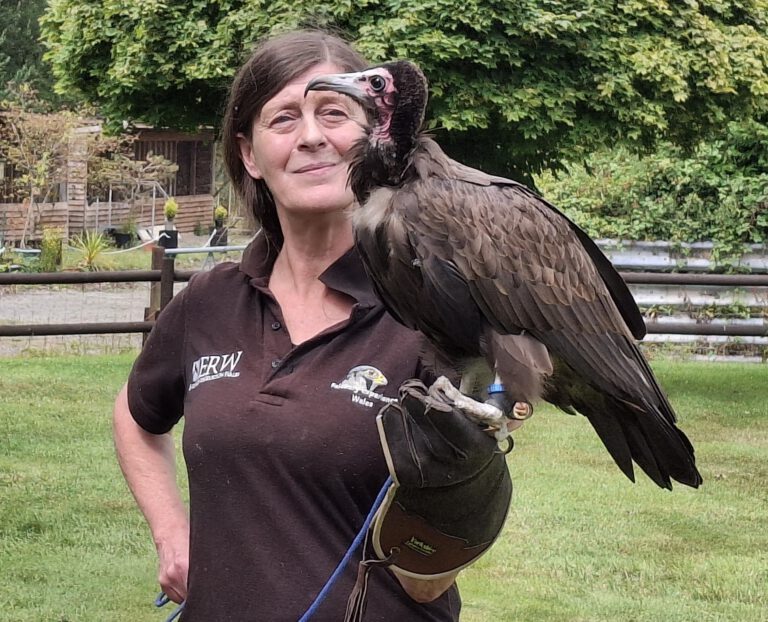
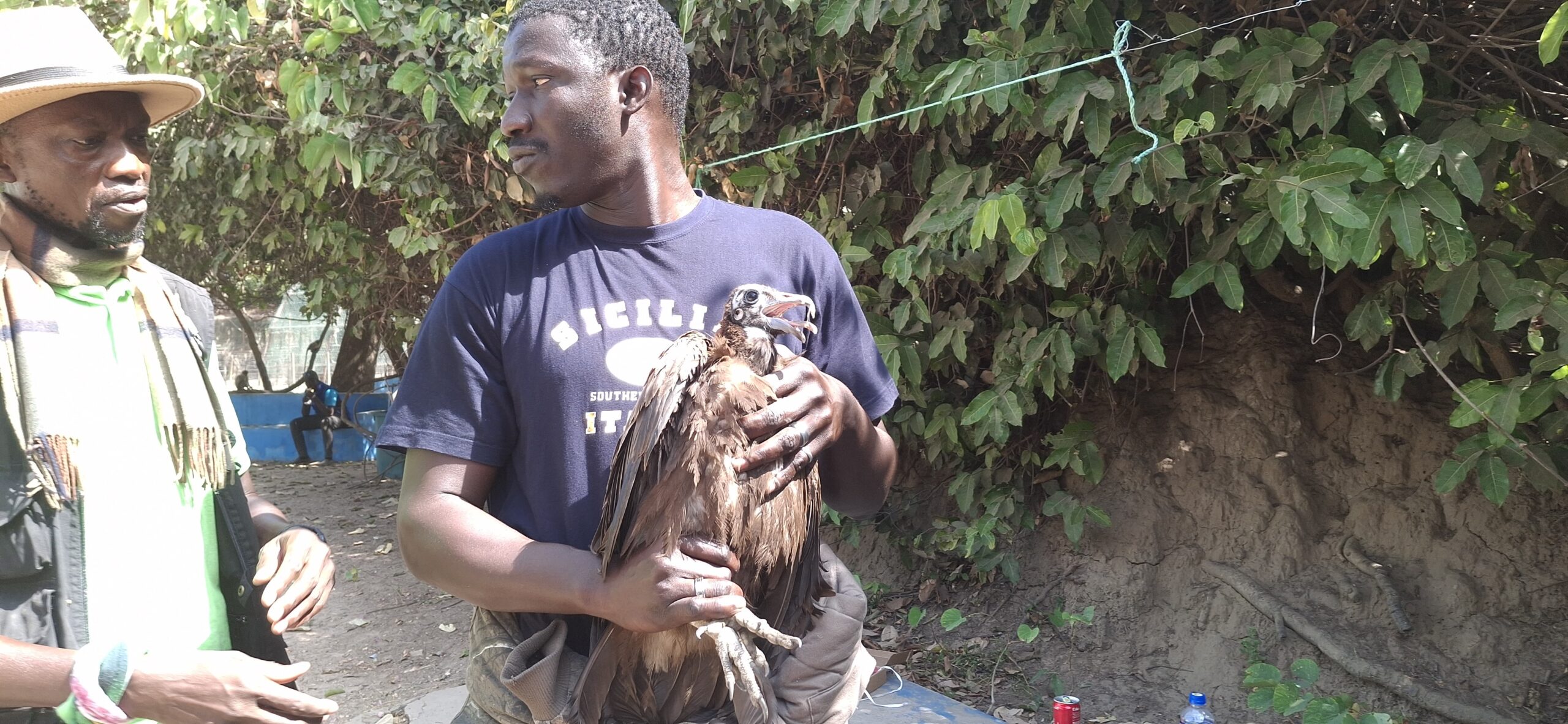
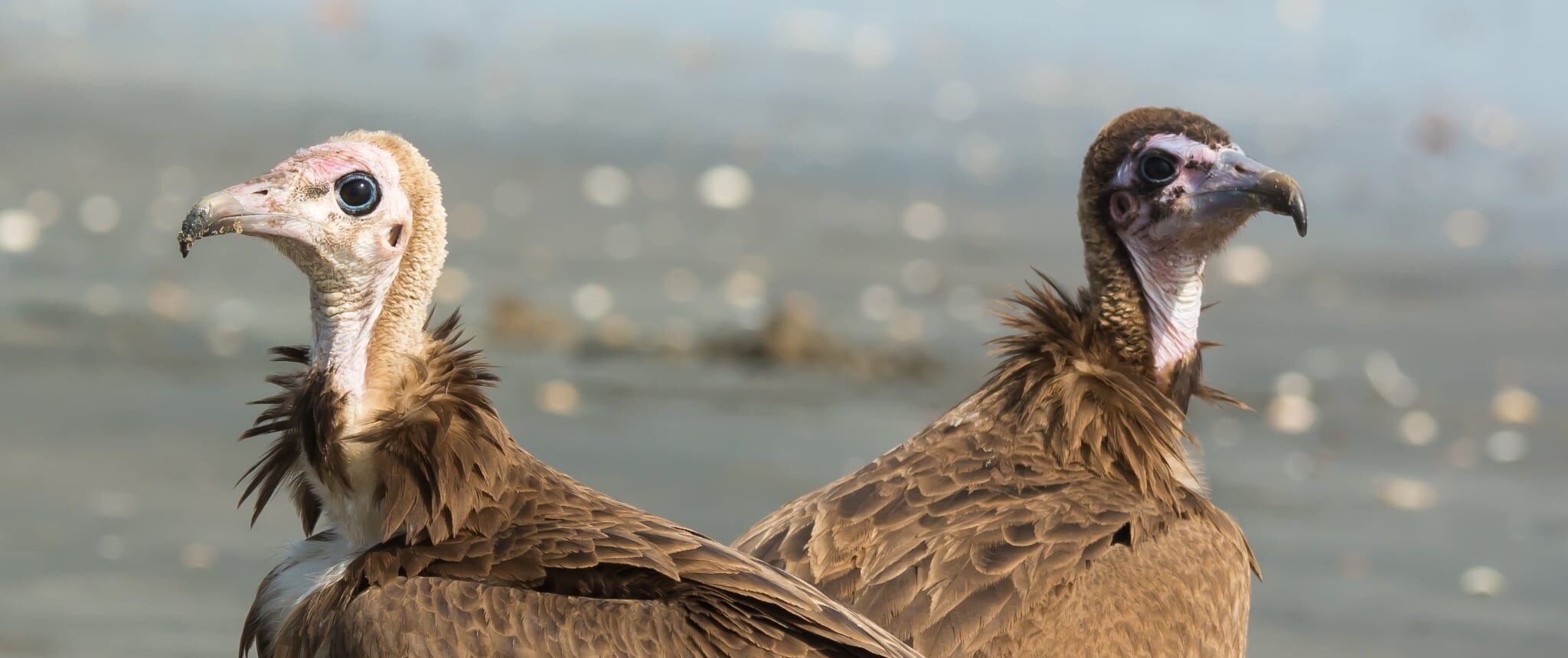
Our 4 representatives last night travelled 8hrs to up country to start our survey first thing this morning for 15 days. Vultures sighted before they hit the road (images added), then they travel to monitor and survey the Northbank region (3days), travelling ahead to survey central region north to upper river region north (3days), finishing upper river region south (3days)
This survey initiative and assignment, with the uttermost in experience and commitment from our team,and outlined scope,which has never been completed on this scale before.
The urgency of this survey coincides with the recent spate of killings of vultures in areas of the Gambia, where vultures are seen as godly, which has been highlighted all over the news recently due to the arrests and prosecution of poachers, collecting body parts and sold on to other countries for traditional medicine and beliefs, 200 hooded vultures have been killed within the last 6 weeks, and the Gambian people are not happy.
Due to the Sahelian climate,hot,semi arid climate characterised by intense and consistent heat, low annual rainfall, and distinct wet and dry seasons, with most rainfall between June and September where equatorial thunderstorms shift north which bring the majority of the years rainfall, in recent days the Gambia has suffered immense flooding, and our team are so committed to this assignment,so much so, that they still managed to reach their first destination this morning,we continue to wish them safe and well throughout the next 20 days.
Gambias hooded vultures begin their pre copulatory courtship displays around this time, end of the rainy season,which in October to November coincides into the early dry season,which extends to April.hooded vulture breeding season. At this time hooded vultures have conspicuous aerial courtship displays,flying,circling,and soaring over territories,we so hope our team are blessed with such displays later on in the month. Wings crossed.
We wish to thank everyone who have supported us through booking our experiences and donating to our vulture fund to make this important conservation project go ahead. AVR AFRICELT VULTURE RESEARCH is important survey work ahead of our next project to satellite tag 4 vultures, for further insights into this species which provides valuable information, so that we can add to the knowledge fund, collaborating with everyone to save critically endangered vultures, and support breeding programmes, as you know Togo and Hope hopefully will play a role in supporting populations for future release to the wild. However the work must be put in to evaluate and apply all areas to be safe for them, we have raised £9000 for this cause to date and buying rapid poison response kits to save vultures, brought donations and us donating from your experiences and this is our small part in helping, thankyou for joining us on this assignment and appreciating vultures. Love into action. Social change for conservation. Ps all survey work and awareness will soon be placed on our Africelt YouTube channel. Our next project to follow shortly so you can follow us there xx
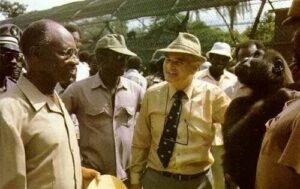
Xxxxx in loving memory of Clive Barlow and Eddie Brewer (founder of Gambia The National Parks and Wildlife Department)
Many thanks
Barry & Luce
Africelt Vulture Project – The Gambia & Beyond 2025–2026
Over the past six months, Africelt has supported a series of important conservation activities combining eco-tourism, national monitoring, and hands-on vulture research in partnership with the Department of Parks and Wildlife Management (DPWM) and dedicated conservationists on the ground.
Why This Work Matters
African vultures are among the most threatened bird groups on the planet. Species such as the White-backed Vulture, Hooded Vulture, White-headed Vulture, and Lappet-faced Vulture have declined by 70–90% in some regions.
The main threats include:
Poisoning (often linked to poaching)
Habitat loss and human disturbance
Collisions with infrastructure
Vultures play a vital role in ecosystems by removing carcasses and reducing the spread of disease, making their conservation critical for both wildlife and human health.
A Growing International Effort
Africelt is contributing to a multi-country GPS-tagging initiative across Botswana, Zimbabwe, and The Gambia.
This project aims to track around 55 vultures to:
Monitor movements in real time
Identify threat hotspots
Enable rapid response to poisoning incidents
The Gambia provides key insight into urban and peri-urban Hooded Vulture populations, complementing wider African conservation efforts.
National Vulture Road Survey – September 2025
A 21-day nationwide survey led by the Department of Parks and Wildlife Management (DPWM), with support from Barry Macdonald, Luce Green, and the Africelt team, alongside Amadou John (WABSA) and Dembo Sonko, recorded strong vulture activity across the country.
Key findings:
Strong populations remain despite ongoing threats
High concentrations in West Coast Region and Central River Region North
Dominant species:
Hooded Vulture
African White-backed Vulture
This survey provides a critical baseline for future conservation work.
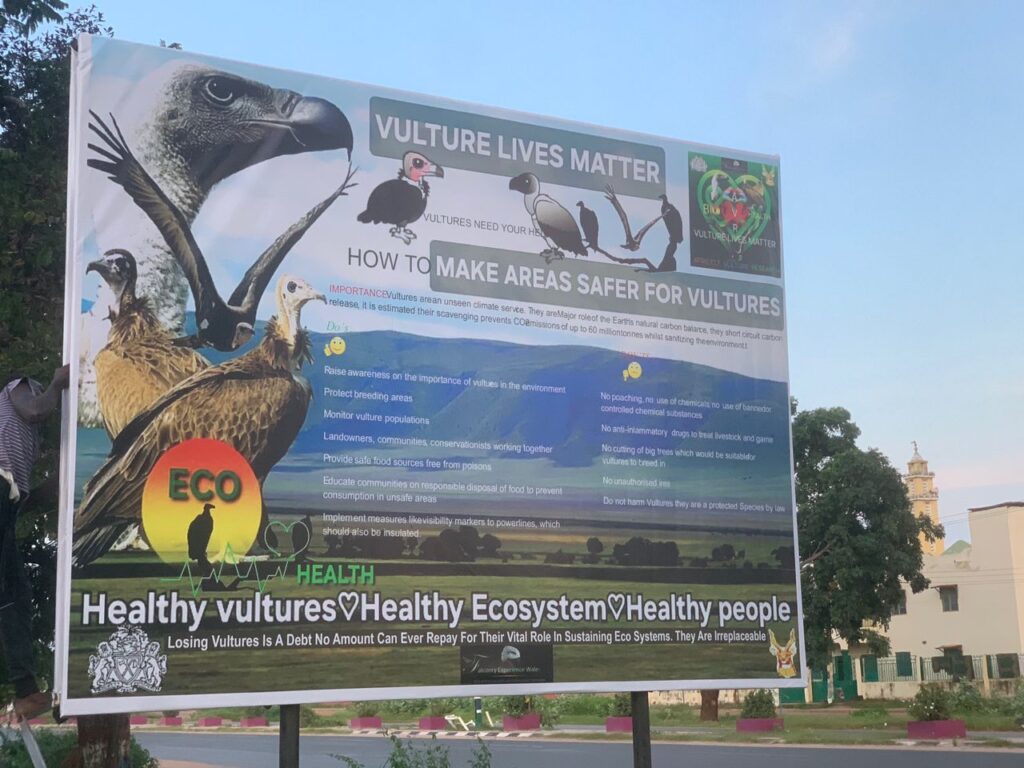
Roadside Sign at Serekunda – The Gambia (Designed by Luce Green)
Birdwatching & Eco-Tourism – January 2026
In January, Barry Macdonald guided a coastal birdwatching tour alongside Dembo Sonko, showcasing The Gambia’s incredible birdlife.
Highlights included:
Northern Carmine Bee-eater, Western Bluebill, Beaudouin’s Snake Eagle, Booted Eagle, Lanner Falcon, Green-crested Turaco and Violet Turaco.
This type of eco-tourism supports local livelihoods, conservation awareness, and long-term protection of habitats.
GPS Tagging Project – February 2026
The Africelt team worked in close partnership with DPWM, with full support from Mr Mawdo Jallow.
The field team included:
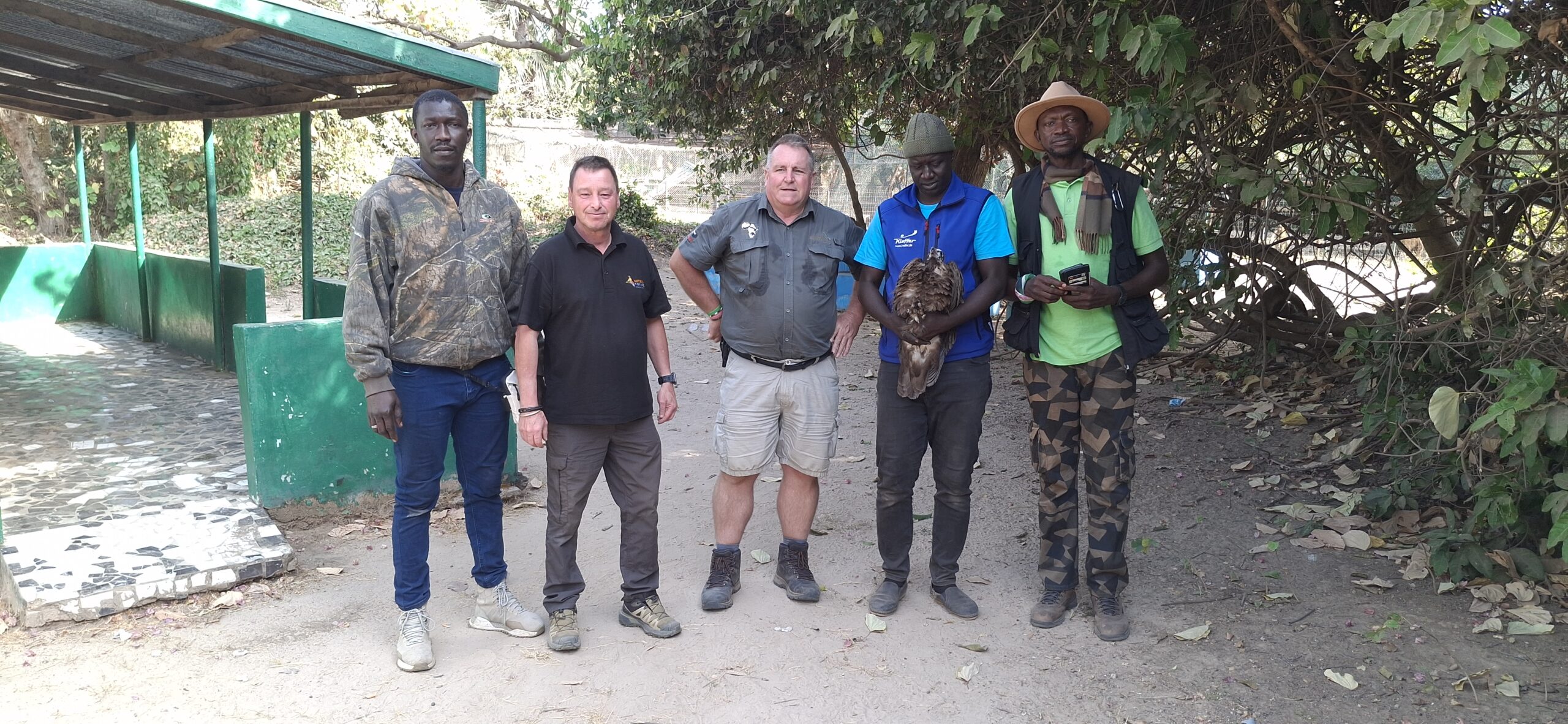
Andre Botha – Co-Chair, IUCN SSC Vulture Specialist Group
Amadou John – WABSA
Babucarr Jarju – DPWM
Dembo Sonko – The Gambia Birdwatching Association
Barry Macdonald
Initial work took place upriver near Janjanbureh, where:
Two full days were spent across three locations
Good numbers of African White-backed Vultures were recorded
A rare White-headed Vulture was observed
After revising the approach, the team moved to Abuko Nature Reserve.
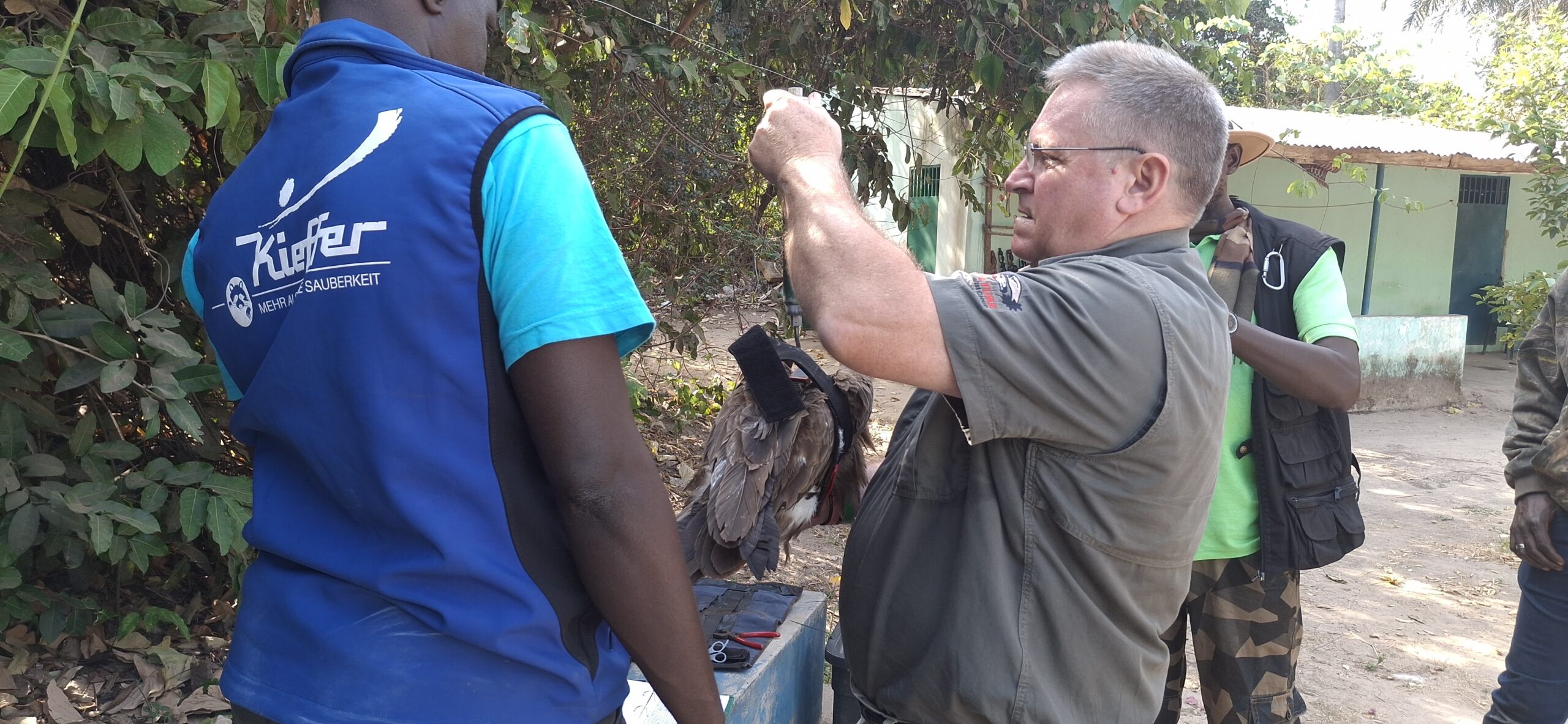
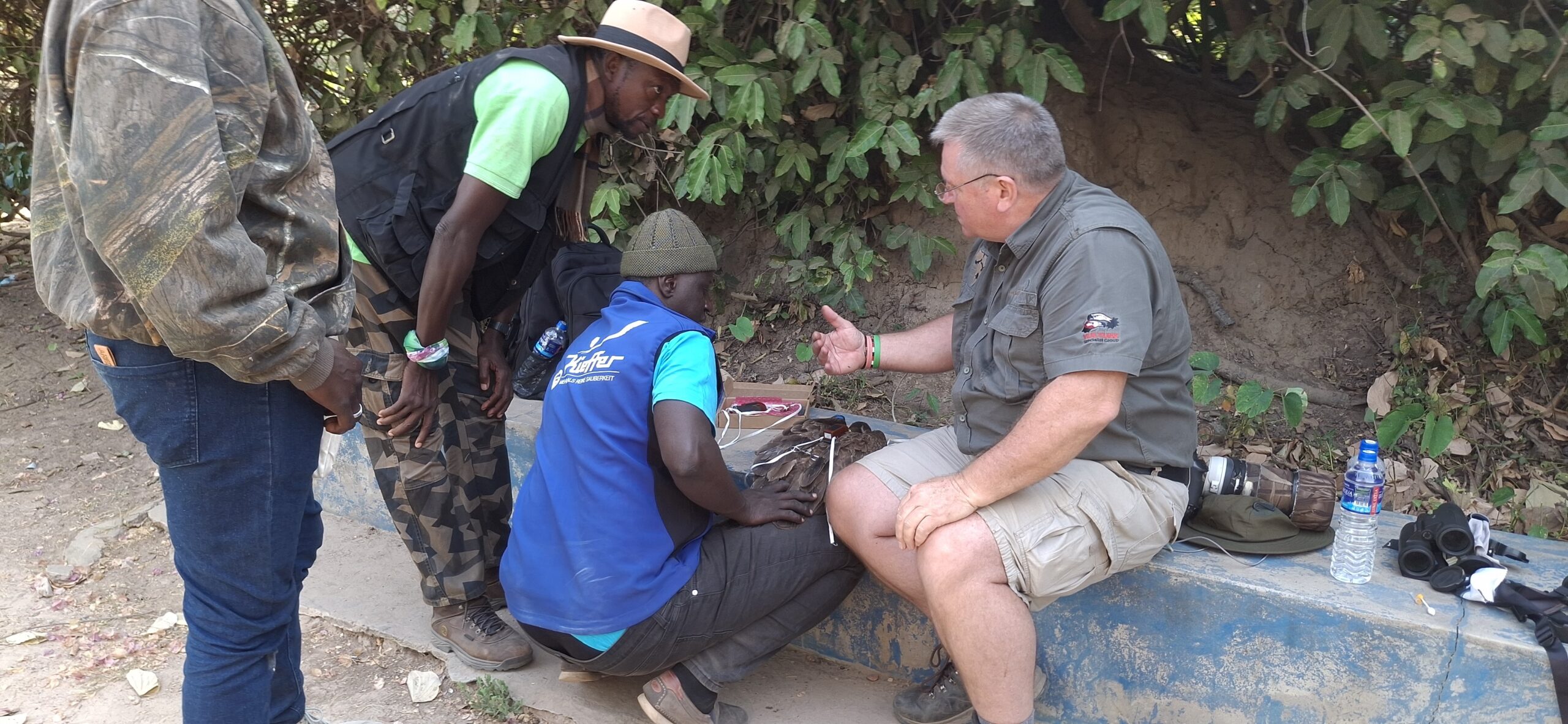
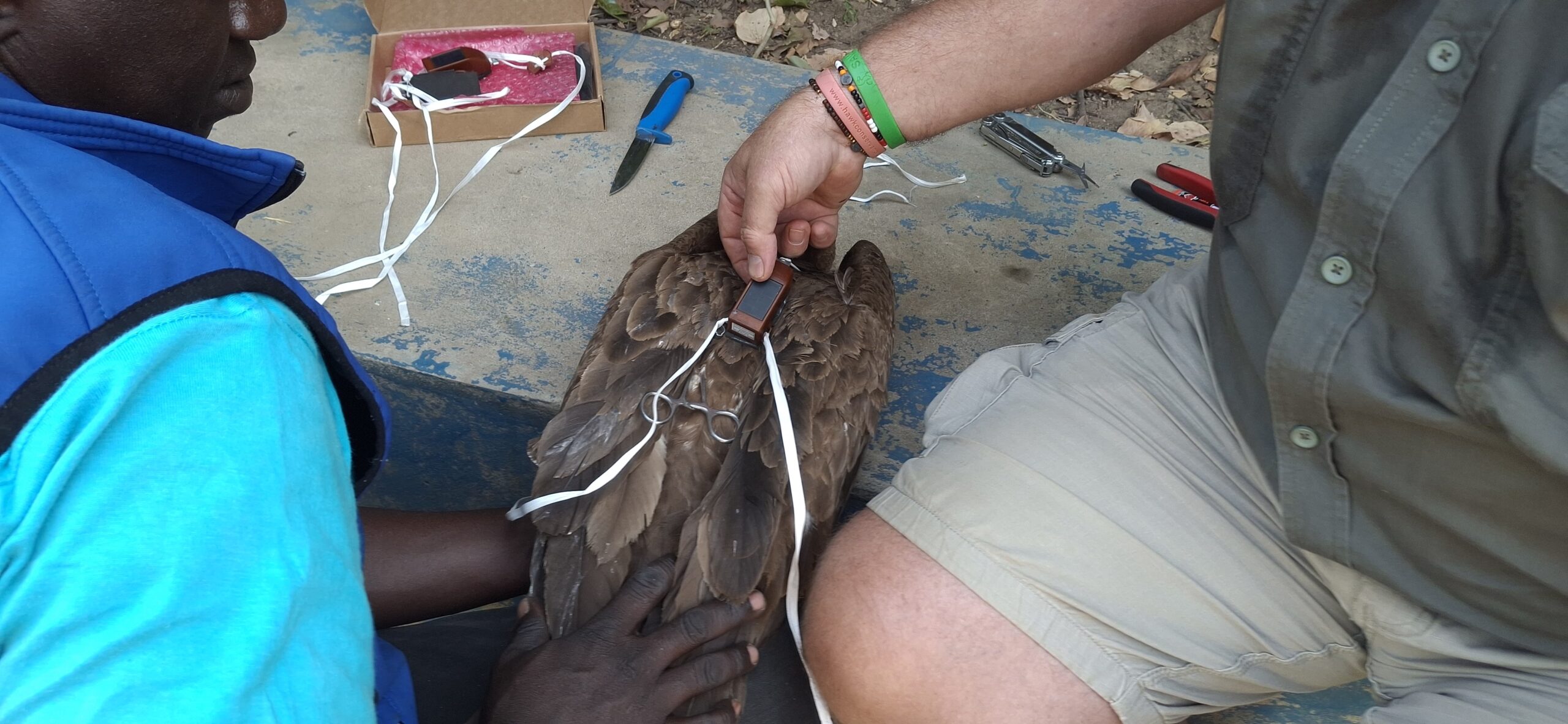
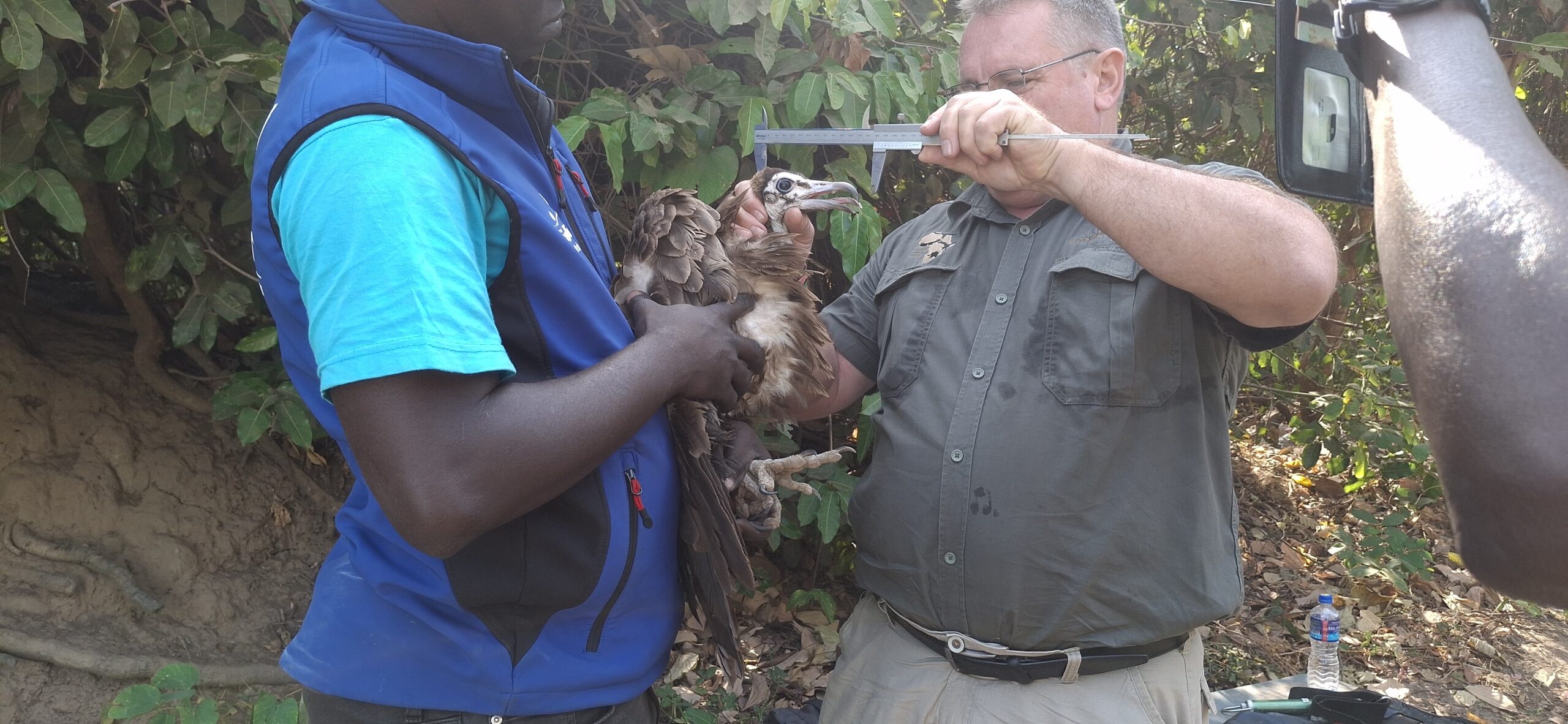
On February 2nd, four vultures were successfully GPS-tagged — a huge achievement after two years of planning.
What Happens Next
The GPS tags will provide vital real-time data to:
Track movements and habitat use
Identify key feeding and roosting areas
Detect poisoning events quickly
Support rapid conservation response
Plans are already underway, led by Barry Macdonald, Luce Green, and partners including Mr Mawdo Jallow, to expand tagging efforts, particularly targeting African White-backed Vultures upriver.
Thank You
Huge thanks to:
Luce Green for her planning, support, and work behind the scenes
Mr Mawdo Jallow and DPWM for their full support
Andre Botha, Amadou John, Babucarr Jarju, and Dembo Sonko for their field expertise
And most importantly — thank you to everyone who has supported and donated to this project over the past two years.
Your support is making a real difference for vultures in Africa.
More updates soon as tracking data starts to come in